







Fidget Toys for Stress Relief, ADHD & Focus – Complete UK Guide

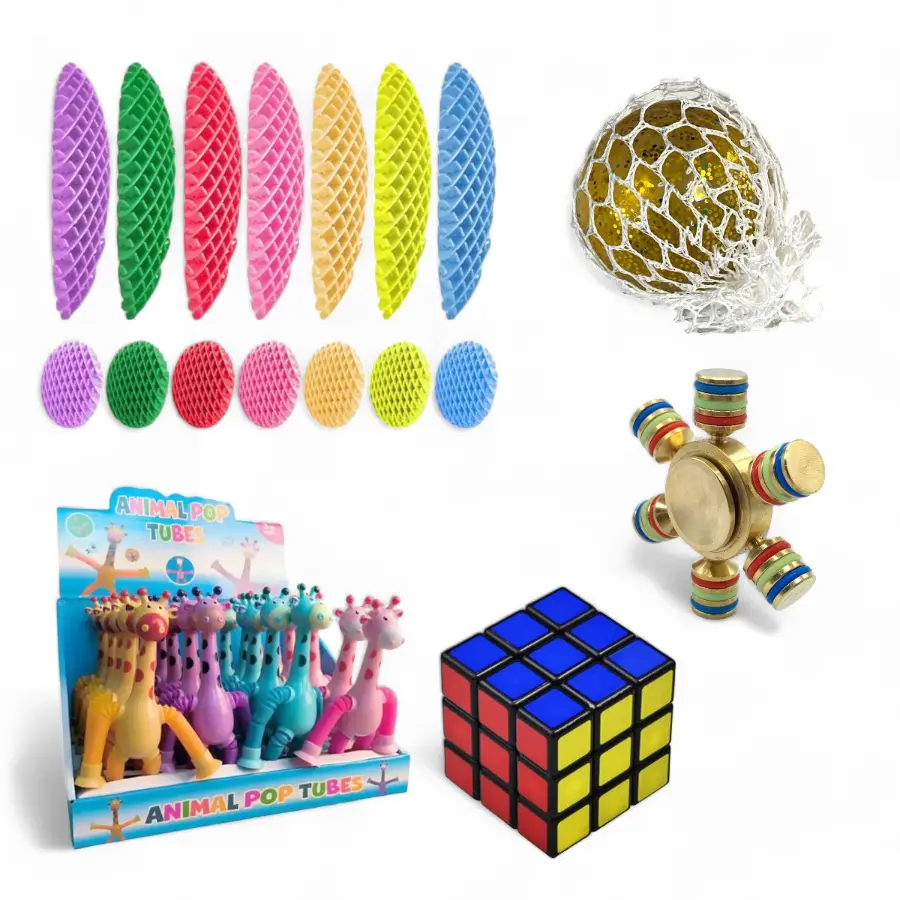
Fidget toys are sensory tools designed to improve focus, reduce stress, and support attention regulation in both children and adults. In the UK, they are widely used in classrooms, workplaces, and therapeutic settings. This guide explains how fidget toys work, their benefits for ADHD and anxiety, and how to choose the right option for your needs.
What Are Fidget Toys?
Fidget toys are handheld sensory tools designed to provide tactile stimulation, improve concentration, and reduce anxiety. They are commonly used to:
- Improve concentration
- Reduce restlessness
- Support emotional regulation
- Relieve stress and anxiety
Originally introduced as sensory support tools for individuals with attention and sensory processing challenges, fidget toys are now mainstream across UK schools and workplaces.
How Do Fidget Toys Work?
Fidget toys work by providing controlled sensory input. This stimulation can:
- Engage excess physical energy
- Reduce nervous habits
- Support sustained attention
Research in behavioural psychology suggests that mild repetitive motion may help regulate attention in some individuals, particularly those with Attention Deficit Hyperactivity Disorder (ADHD).
Benefits of Fidget Toys for ADHD
Individuals with ADHD often experience difficulty maintaining attention and controlling impulsive movement. Fidget toys may support focus by:
- Occupying restless hand movement
- Providing rhythmic sensory feedback
- Reducing external distraction
In UK classroom settings, structured use of discreet fidget tools can support inclusive learning when implemented appropriately.
Important: Fidget toys are support tools, not medical treatments. Always consult a qualified healthcare professional for clinical ADHD management.
Fidget Toys for Anxiety and Stress Relief
Beyond ADHD, fidget toys are commonly used for:
- Workplace stress management
- Exam anxiety
- Travel-related nervousness
- Autism sensory support
The repetitive squeezing, spinning, or clicking motion may help activate calming sensory pathways and reduce short-term tension.
Most Popular Types of Fidget Toys in the UK
Different fidget toys provide different sensory experiences. Choosing the correct type improves effectiveness.
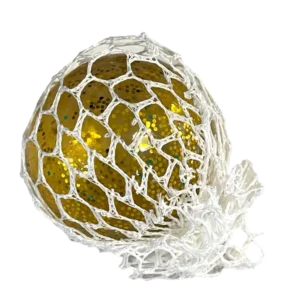
1. Stress Balls
Squishy and malleable, stress balls are perfect for individuals who need something to squeeze during stressful situations. They can help release tension and reduce anxiety.
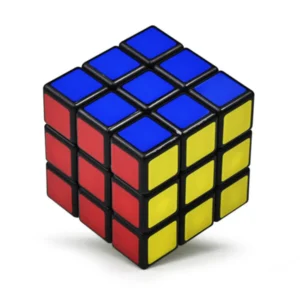
2. Fidget Cubes
Fidget cubes have different sensory features on each side, including buttons, switches, and spinners. They provide multiple fidgeting options in a compact design.
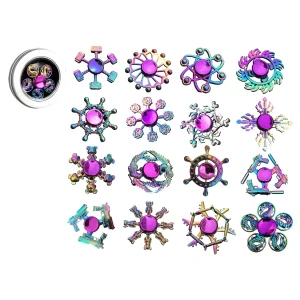
3. Fidget Spinners
As mentioned earlier, fidget spinners are handheld toys that spin between the fingers. They offer a mesmerizing visual experience and are great for tactile stimulation.
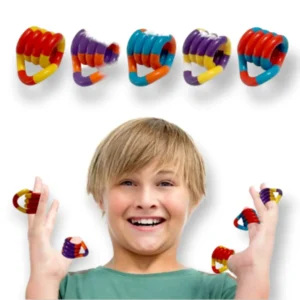
4. Tangles
Tangles are a series of interconnected curved sections that can be twisted, coiled, and shaped into various forms. They provide a great outlet for restless hands.
5. Fidget Pads
Fidget pads come with buttons, gears, and switches that produce satisfying clicking sounds when pressed. They are excellent for auditory stimulation.
6. Kinetic Sand
Kinetic sand offers a unique tactile experience, as it can be molded and shaped like wet sand but never dries out. It is perfect for calming sensory play.
7. Sensory Rings
Sensory rings are flexible and textured rings that can be worn on fingers, providing a discreet way to fidget.
Fidget Toys in UK Classrooms
Many UK educators allow silent fidget tools under structured guidelines. Benefits may include:
- Improved seated focus
- Reduced classroom disruption
- Increased engagement for sensory learners
However, not all toys are classroom-appropriate. Quiet, non-visual tools are generally preferred. Parents should consult school policies before sending fidget toys into class.
Addressing Misconceptions About Fidget Toys
Despite their benefits, toys have faced criticism, with some claiming they are disruptive or unnecessary. It is crucial to dispel these misconceptions and recognize their potential to enhance focus and productivity.
Fidget Toys Are Distracting
When used incorrectly, they can be distracting. However, structured use with clear behavioural expectations reduces misuse.
They Are Just a Trend
While viral social media increased visibility, sensory-based focus tools have existed for decades in occupational therapy environments.
How to Choose the Right Fidget Toy
Choosing the right fidget toy in the UK becomes easier when you focus on a few practical factors:
-
Sensory preference: Think about what feels most calming or engaging. Some people prefer squeezing soft textures like stress balls, while others respond better to spinning motion, clicking buttons, or mouldable materials such as kinetic sand.
-
Environment of use: Consider where the toy will be used. Classrooms usually require discreet, non-distracting options. Offices call for compact and subtle designs. At home, you can choose larger or more tactile sensory tools.
-
Noise level: Silent fidget toys are better for public spaces like schools, libraries, and workplaces. Audible clicking or spinning may be suitable for private settings but can be disruptive in shared environments.
-
Age suitability and UK safety compliance: Always check recommended age guidance and ensure the product carries UKCA or CE marking. This is especially important when buying fidget toys for children.
Understanding the psychological aspects of why fidget toys work can shed light on their effectiveness as coping mechanisms for stress and anxiety.
UK Toy Safety & Compliance
When purchasing fidget toys in the UK, ensure products:
-
Meet UKCA or CE safety marking requirements
-
Are age-appropriate
-
Contain no small detachable parts for young children
Reputable UK retailers clearly display safety compliance information on product listings.
DIY Fidget Toys: Are They Effective?
Homemade fidget toys can provide basic sensory feedback using household materials. However:
- Durability may be limited
- Safety compliance is not guaranteed
- Professional sensory tools offer consistent performance
For classroom or therapeutic use, professionally manufactured options are recommended.
Are Fidget Toys Suitable for Adults?
Yes. Many UK adults use fidget tools for:
- Anxiety regulation
- Focus during remote work
- Stress relief during commuting
Modern designs are discreet and minimal, suitable for professional environments.
Are Fidget Toys Effective?
Effectiveness varies by individual. Research suggests:
-
Sensory stimulation may improve short-term attention in some individuals
-
Benefits are strongest when tools are used intentionally rather than as distractions
They are supportive tools, not medical interventions.
Conclusion
In conclusion, fidget toys have emerged as a versatile and effective solution for managing stress, anxiety, and ADHD. Their unique ability to engage the senses and promote focus has made them invaluable tools for individuals of all ages. Individuals seeking improved concentration or stress reduction may benefit from structured sensory tools such as fidget toys.